Why Lighting Is the Most Underrated Decision in Luxury Interior Design

Introduction

Most clients come to Wonderwall with a clear vision for their materials, their palette, and their furniture. Lighting is often the last conversation, treated as a finishing layer rather than a foundational one. In reality, it is one of the most consequential decisions in any project. In luxury interior design in Dubai, where spaces are expected to perform across morning light, evening gatherings, and every hour in between, the lighting strategy determines whether a beautifully designed space actually feels the way it was intended to. Get it right, and the room delivers. Get it wrong, and even the finest finishes fall flat.

Luxury Interior Design

Why Lighting Shapes Everything Else

1. It Defines Mood More Than Any Other Element

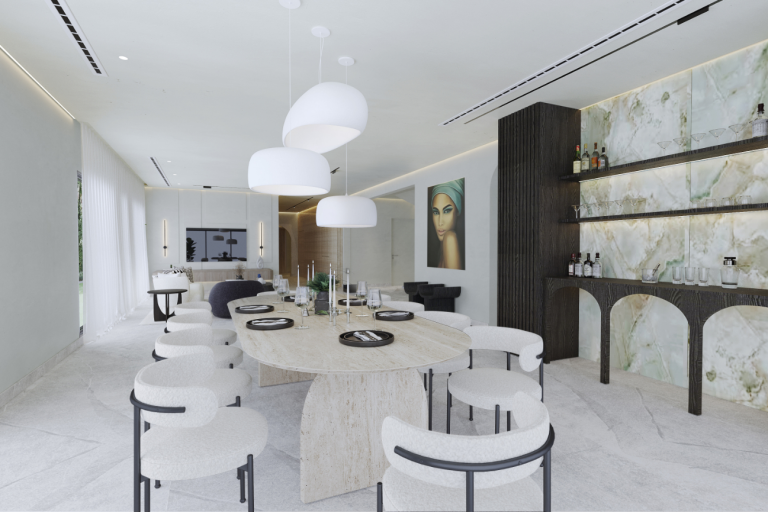
Colour temperature alone can shift a room from clinical to intimate. Warm light at lower intensities draws people in and creates a sense of comfort and depth. Cool, bright light reads as energising and open. The same marble wall, the same bespoke joinery, the same furniture arrangement will feel entirely different depending on how it is lit. In luxury interior design in Dubai, where spaces are often large and multi-functional, zoning the lighting to shift with the time of day and the activity of the room is not optional. It is essential.

2. It Reveals or Conceals Architecture

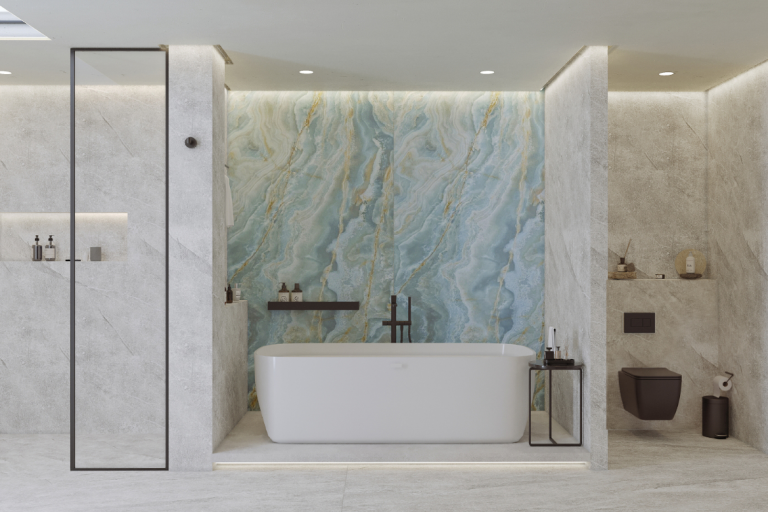
Uplighting draws the eye to ceiling height. Recessed lighting creates horizontal planes. Wall grazing makes texture visible. Every architectural decision in a space, the depth of a reveal, the grain of a stone cladding panel, the curve of a ceiling detail, only reads clearly when the lighting is positioned to make it legible. At Wonderwall, lighting is planned in parallel with spatial design, not added after the fact. This is what allows the architecture and the light to work as one coherent system.

3. Layering Is What Separates Considered Design from Basic Specification

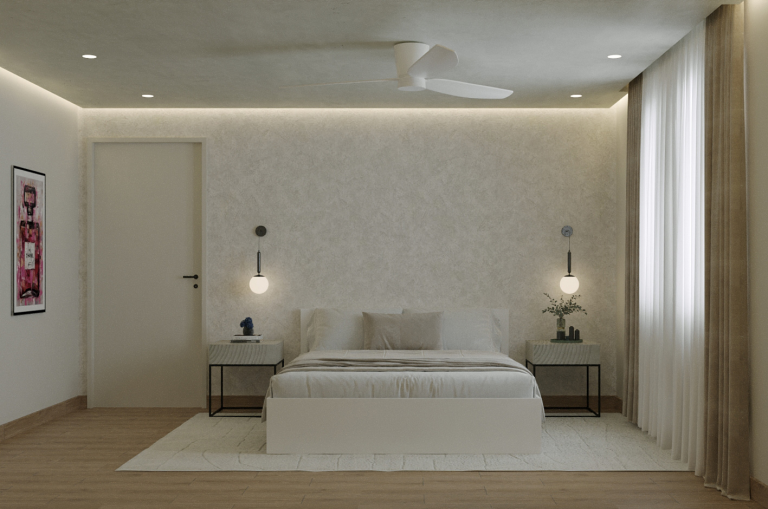
A single overhead source is not a lighting scheme. Considered luxury interior design in Dubai layers ambient, task, accent, and decorative lighting to give each space flexibility and dimension. A living room that functions for daily use, evening entertaining, and family gatherings needs lighting that can be adjusted for each. This requires planning at the concept stage, not a retrofit at the end of a project.

Luxury Interior Design

4. Natural Light Requires as Much Planning as Artificial

Dubai’s sun orientation, intensity, and seasonal shifts all affect how natural light behaves inside a home throughout the day. Understanding which rooms receive direct light, at what hours, and how that interacts with the material palette is a design discipline in itself. Wonderwall’s approach to luxury interior design in Dubai treats solar orientation as a design parameter from the first site analysis, ensuring that natural and artificial light are planned together rather than in isolation.

5. The Wrong Lighting Undermines Every Other Investment

A client can specify the finest stone, the most precisely crafted joinery, and the most carefully selected furniture, and poor lighting will undermine all of it. Shadows in the wrong place, glare on reflective surfaces, and insufficient contrast all reduce the quality of how a space reads and how it feels to be inside it. Lighting is not a line item to economise on. It is the element that makes everything else visible.

Luxury Interior Design

Conclusion

In every Wonderwall project, lighting is treated as a design discipline with the same rigour applied to spatial planning, material selection, and construction. It is not an afterthought. It is the layer that brings everything together. If you are planning a residential or commercial project and want the design to perform at the level you are investing in, the lighting conversation needs to happen early.

Contact Wonderwall at hello@wonderwall.ae or call +971 55 159 3942 to start your project. Explore our residential and commercial portfolio across Dubai.

Frequently Asked Questions

Lighting should be planned during the concept and spatial design phase, not added at the end. At Wonderwall, lighting strategy is developed in parallel with layout and material decisions so that the two systems support each other from the start.

Yes. Lighting strategy, including ambient, task, accent, and decorative layers, is integrated into Wonderwall's full interior design and fit-out service across both residential and commercial projects.

Dubai's high sun intensity and year-round warmth mean that solar orientation, glare management, and the relationship between natural and artificial light require deliberate planning. Wonderwall accounts for these factors from the earliest stage of each project.

Yes. Wonderwall offers design consultancy services that can address specific aspects of a space, including lighting, without requiring a full fit-out. Contact the team to discuss the scope of your project.

Send Us Email

After we get some information from you, we’ll set up a time to discuss your project in further detail.