
Home / Uncategorized / Design-Led vs. Build-Led Fit-Out: Why the Order of Operations Changes the Result
Design-Led vs. Build-Led Fit-Out:
Why the Order of Operations Changes the Result
Investing in a premium property requires vision, resources, and time. From iconic skyscrapers to bespoke interiors, every detail reflects your style and ambition. When it comes to luxury design and fit-out in Dubai, the way you begin the process defines the final result. However, during this phase, you might have come across these two terms: Design-Led vs. Build-Led Fit-Out. While the names sound similar, each process is different.
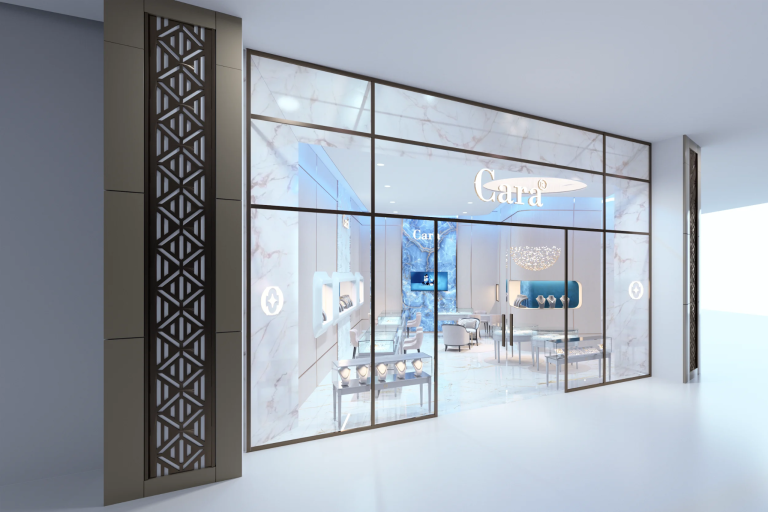
A design-led fit-out starts by defining the vision and resolving the important details before construction begins. But in a build-led approach, on the other hand, in build-led approach designing decisions are made during construction. At Wonderwall, we have worked across luxury villas, apartments, offices, and retail spaces in Dubai, and we know the importance of right planning.
Ultimately, the fundamental difference lies in who will control the project’s inception. A design-led approach prioritizes architectural vision, while a build-led approach prioritizes construction feasibility and cost certainty from day one. Hence, understanding the order of operations becomes important before beginning the work. So, what is the difference between the two approaches, and why does it matter so much for luxury interiors? In today’s blog, we will answer all these questions. Let us begin.
What Does “Design-Led” Actually Mean?
The design-led fit-out begins by understanding the space and its vision. In this process, the design team understands your vision from scratch. Every detail, from layout, stone selection, lighting and even fabrics, is curated, shown, and confirmed via drawings, so there are fewer surprises later. And this is all done before the construction phase.
But design-led does not simply mean having a beautiful design on paper. It means making sure that the final space looks and feels the way it was originally intended to.
In simple terms, a design-led fit-out follows a clear process. Instead of directly moving into construction, the design is done carefully and finalized initially.
Here’s what the design-led workflow looks like:
Step:01
Understand Your Vision and Lifestyle
It all starts by understanding your needs. How will you use the space? What do you like, your needs, and how do you want your finished space to look? The space is designed based on your lifestyle, preferences and needs in the starting phase of the design.
Step:02
Turn Ideas into a Clear Concept
Once the idea is clear, the design approach starts taking shape through layouts, mood boards, 3D visuals and material ideas. Here, you can actually see how your space will look and feel before the construction phase.
Step:03
Develop Every Part of the Design Together
This is where your raw design becomes more detailed. Your interior layouts, ceilings, lighting, electrical and mechanical working is done. In this phase, every element comes together to avoid issues during construction.
Step:04
Finalize Materials and Details
In this phase, every material and detail, such as stone, timber, and metal finishing samples, is shown and approved.
Step:05
Bring the Design to Life
Finally, once all the designing is completed its moves into execution. Now, the same design team will work with the development team and will continuously monitor during the fittings to ensure every material, finishing and detail is delivered as planned. This creates a smoother transition and converts your idea into reality.
What Is a Build-Led Fit-Out?
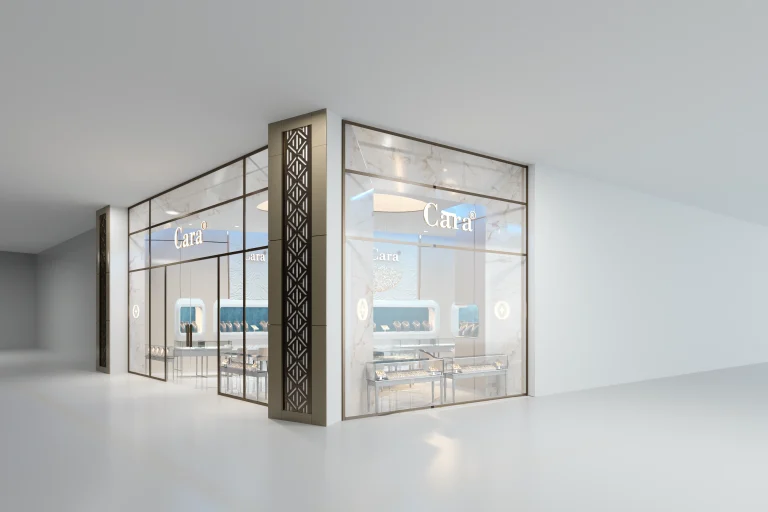
A build-led fit-out flips the process. Here, the construction begins first, and the design decisions are made along the way. Many people think this approach is fast and cost-effective. But it often restricts your creativity and customization.
The basic requirements are understood, work begins, and the decisions are made or modified during the execution phase. This approach works well for straightforward projects with generic design or where there is limited construction.
However, things can get complicated, especially if your project consists of luxurious finishing, integrated lighting, detailed ceilings or custom furniture. For standard or budget-conscious projects, this approach works well. But for luxury design and fit-out in Dubai, where every detail matters, a design-led approach can add much value.
Design-Led vs. Build-Led: Key Differences
Both approaches can be used for fit-out projects, but they work very differently. Here is a simple comparison:
| Project Aspect | Build-Led Fit-Out | Design-Led Fit-Out |
|---|---|---|
|
Main Priority |
Focuses on getting the build completed on time and within budget. |
Focuses on getting the design, look, and details right. |
|
When Design Happens |
Some decisions are made during construction as site conditions change. |
The design is completed before construction starts. |
|
Materials |
Often uses readily available and practical materials. |
Materials are carefully selected to match the overall design. |
|
Level of Customization |
More likely to use standard layouts and solutions. |
Makes room for custom layouts, finishes, and joinery. |
|
Team Coordination |
Design and construction are mainly handled by separate teams. |
Design and construction teams work closely together. |
|
Last-Minute Changes |
Changes are more likely to happen when problems appear on site. |
Fewer surprises because most details are planned in advance. |
|
Best For |
Simple offices, retail spaces, and projects where speed and budget come first. |
Luxury homes, premium offices, hospitality spaces, and flagship projects. |
Why the Order of Operations Matters for Luxury Interiors
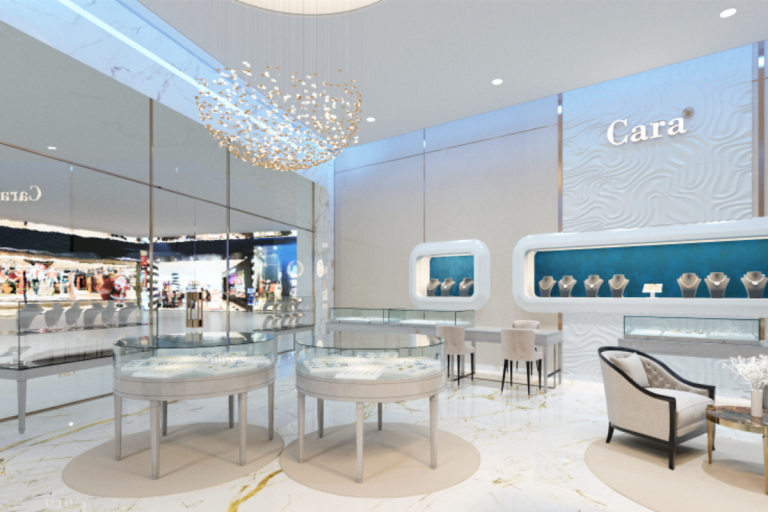
A luxury interior is not just about choosing beautiful materials or creating an impressive design. It is also about getting the process right. If the design is done properly, the team has a clear plan to follow. This makes it easier to protect the look you want, manage your budget, and keep the project moving.
That is why the order of operations can have a direct impact on your project.
Design Integrity
Luxury interiors are all about details. The lighting, flooring, stones, colors and finishes all come together to provide a perfect finish. With a design-led approach, these details are planned before construction. You can see the design, choose your favorite material and review them before anything is built.But with a build-led approach, some of these choices might happen instantly or on site due to the unavailability of materials or any other reason. And the decision has to be made on the spot. One small change might not have an impact, but several changes occurring can impact the original design. A design-led process ensures your space looks as per your imagination.
Budget
Project management becomes simple when you know your budget and building goals. In the design-led approach, all the materials, finishing, layouts and other needs are discussed prior. This gives you a better idea of the overall cost and allows you to make necessary changes before construction. For example, if the flooring is expensive, then you can choose another option early rather than stopping and getting confused in middle or compromising the final look of the project. On the other hand, in a build-led project, the costing might change because many details are finalized during the construction phase. This additional work, design changes or material replacements can impact your overall budget as well. This does not mean every project will go over budget. It simply means planning details in advance can get you better clarity on your spending. And the decision has to be made on the spot. One small change might not have an impact, but several changes occurring can impact the original design. A design-led process ensures your space looks as per your imagination.
Timeline
Good planning is also a key element. When drawings, materials and important decisions are made initially, the team can work properly. Materials can be ordered; different teams can coordinate and identify and solve potential problems in advance. With a build-led approach, the problem gets noticed once the construction begins. The team then need to stop the work, rethink the solution, find an alternative solution and make necessary changes. For a luxury interior, the goal is not simply to finish the project. It is also about creating the space that matches your vision and fits your budget within the timeline.
So, Which Approach Is Better?
Most importantly, it changes the focus from “How do we build this?” to “What are we trying to create, and how do we build it properly?”
For a simple renovation or a project with an already-established design, a build-led approach may be sufficient. But when you are creating a highly customized interior, the design-led approach generally gives you more control over the final result. It allows you to resolve important decisions in advance, understand the budget more clearly, choose the right material, and create a space around the way you actually want to live.
Summing Up
A luxury interior is not created by simply choosing beautiful materials or completing construction on time. It comes from making the right decisions early and carrying them through every stage of the project.
That is why the order of operations matters. A well-developed design can save time, reduce unnecessary changes, and give you much more control over the final result.
At Wonderwall, we believe luxury isn’t just about materials. It’s about the process that brings them together. We mainly focus on understanding the client’s vision and building a space that is both beautiful and practical.
Ready to start your project? Reach out to Wonderwall for a consultation. Let’s design your space the right way!
WhatsApp
LinkedIn
Table of Contents
Recent Posts
Common Fit-Out Mistakes That Cost Dubai Homeowners Time and Budget
September 24, 2026 | by wonderwall
Read More →
Villa Renovation for The Villa, Dubailand: The Complete Guide
August 24, 2026 | by wonderwall
Read More →
FAQs
Ques 1. How does design-led planning help control costs?
Ans. It allows you to make important decisions early. This makes it easier to plan the budget and avoid unexpected costs during construction.
Ques 2. Does the order of a fit-out really affect the final result?
Ans. Yes. When design decisions are made at the right stage, there is less room for clashes, last-minute changes and compromises that can affect the finished space.
Ques 3. Which approach is right for a luxury fit-out?
Ans. A design-led approach is usually the better choice for luxury projects. It gives the design and construction teams a clear plan before work begins.
Start a project for a Bigger Better Luxury design and fitout

- Quick Links
- Popular Communities
- Dubai Hills
- Emirates Hills
- Meadow
- Palm Jumeirah
- Nad Al Sheba Gardens
- Tilal Al Ghaf
- Arabian Ranches
- Nad Al Sheba
- District One
Copyright © 2026 Wonderwall